
Many couples face conception challenges, where studies show that male factors are equally responsible in half of all cases. The most concerning aspect? Most of the fertility issues in men are silent, without any apparent warning signs, until couples actively try for a baby. From hormonal disruptions to genetic conditions, these underlying issues may severely slow or prevent conception. Fortunately, most issues can be diagnosed with appropriate testing and treated accordingly. It is therefore necessary to find an appropriate solution and take steps to improve male fertility.
Let’s explore the most common hidden male fertility problems that could be affecting your ability to conceive, and the tips for better sperm health.
Varicoceles: The silent sperm disruptor
Varicoceles are enlarged veins in the scrotum, like the varicose veins in the legs. This condition occurs in about 15% of men and is one of the most prevalent causes of decreasing fertility. The swollen veins raise the testicles’ temperature, creating an environment that harms sperm production and quality.
Many men are totally unaware that they have varicoceles because most of the time, symptoms are not present or very insignificant. Sometimes there may be soreness or visible swelling, but these signs are easily ignored. The condition can significantly reduce sperm count and motility, which complicates the process of conception. However, it is normally diagnosed by a fertility specialist through a physical examination and usually treated by surgical repair or embolisation to redirect blood flow and restore normal testicular function.
Hormonal imbalances affecting sperm production
Testosterone isn’t the only hormone critical for reproduction; luteinising hormone (LH) and follicle-stimulating hormone (FSH) are equally necessary for sperm development. The imbalances in these hormones may severely impact fertility without any visible symptoms. But these hormone imbalances can cause:
- Low sperm production
- Low libido
- Thyroid dysfunction
- Less semen volume
These imbalances can be detected in blood tests. If you are confused about how to improve male fertility, start with comprehensive testing, where specialists provide personalised treatment plans according to your personal needs. Then the specialist can prescribe targeted hormones or medications that restore the normal level and help improve male fertility outcomes substantially for men facing conception problems.
Genetic factors you might not know about
Genetic abnormalities are another hidden male fertility problem that is not noticeable until a couple undertakes fertility testing. Chromosomal issues like Klinefelter syndrome or microdeletions of the Y chromosome affect sperm production at a cellular level:
-
Klinefelter syndrome:
An extra X chromosome that reduces testosterone and sperm production -
Y chromosome microdeletions:
Missing genetic material that impairs the formation of healthy sperm -
Cystic fibrosis gene mutations:
It can cause a congenital absence of the vas deferens, blocking the transportation of sperm
These conditions generally do not show symptoms, which makes them difficult to detect without specialised genetic testing. Family history may provide clues, but most men do not have prior indications of genetic concerns.
Infections and inflammation
Past or current infections can silently damage the reproductive system and create long-term fertility issues.
-
Chlamydia and gonorrhoea:
Sexually transmitted infections like chlamydia and gonorrhoea may cause scarring in the reproductive tract, obstructing sperm passage. -
Mumps orchitis:
It damages testicular tissues and can permanently affect sperm production if left untreated. -
CChronic prostatitis:
Causes inflammation that affects semen quality and sperm motility.
Most of the infections have mild symptoms that men often ignore or don’t recognise as serious. Regular sexual health screening helps identify infections early, and timely antibiotic therapy can prevent long-term complications that affect reproductive health.
Lifestyle factors creating hidden damage
The everyday activities tend to cause fertility problems that build up over time. Excessive alcohol intake damages the sperm DNA and lowers the number of sperm produced, and smoking causes harmful toxins that have adverse effects on reproductive cells. Similarly, recreational drugs also disrupt hormonal balance and prevent the healthy development of sperm.
Obesity also influences hormone levels and raises scrotal temperature, too, whereas chronic stress raises cortisol, which inhibits reproductive hormones. Excessive heat exposure from laptops, tight clothing, or even hot baths can raise testicular temperature beyond optimal levels. Meanwhile, the body accumulates environmental toxins from plastics, pesticides, and workplace chemicals, which also cause damage.
To get deeper insights on how to address these factors, explore proven ways to improve male fertility and boost sperm health. These tips for better sperm health are sustainable and will lead to permanent improvements.
Conclusion
Male infertility is a hidden issue that impacts thousands of men, yet many of them are never diagnosed with these issues until couples consult a specialist. From varicoceles and hormonal imbalances to genetic factors and infections, there are various obstacles silently impacting reproductive health. If you are the one facing this issue, get a professional assessment immediately, which is a very important step toward an effective solution.
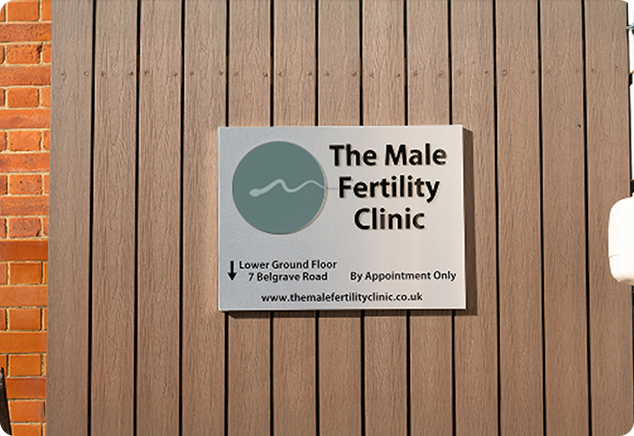
Contact The Male Fertility Clinic, a trusted, professional clinic with years of experience and specialists on the team. So, book your consultation and take the first step towards achieving your dream of parenthood.


 Quick WhatsApp Enquiry